by Iluobe Igho, Business & Infrastructure Analyst
Introduction
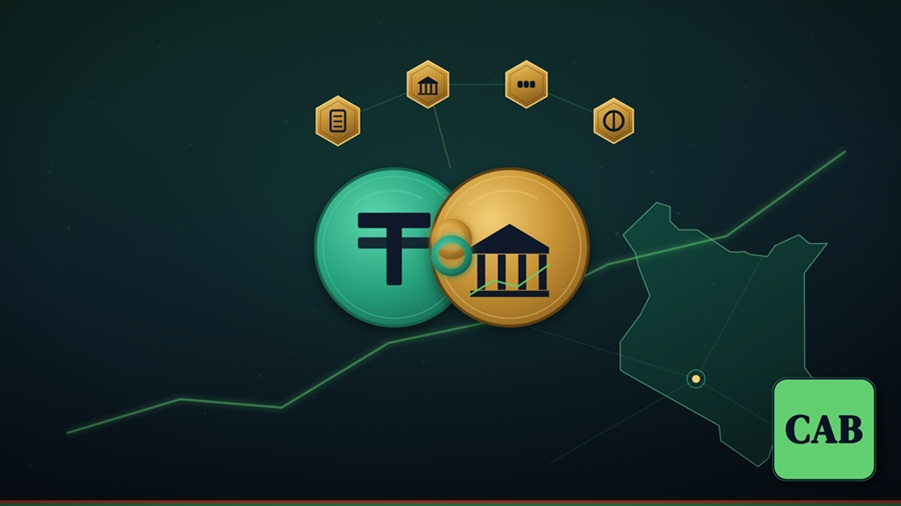
Tether, the issuer of the world’s largest stablecoin (USD₮), has signed a Memorandum of Understanding (MoU) with the Nairobi Securities Exchange (NSE) to explore digital asset education, Real-World Asset (RWA) tokenization, and blockchain-based market infrastructure. Established in 1954, the NSE is one of Africa’s premier national bourses, with a market capitalization of approximately $26.4 billion.
This agreement represents a pivotal shift in how traditional African capital markets engage with digital asset infrastructure. Rather than viewing digital assets solely as speculative retail instruments, the NSE is positioning tokenization and Distributed Ledger Technology (DLT) as primary tools to optimize settlement efficiency, expand diaspora capital inflows, and democratize access to traditional securities through fractional ownership.
NSE-Tether Strategic Infrastructure Pipeline
| Apex Entity | Nairobi Securities Exchange (NSE) (Valued at ~$26.4B Market Capitalization) |
|---|---|
| Core Pillars | 1. Institutional Rails
• Hadron RWA Tokenization • Instant Atomic Settlement • USD₮ Liquidity Layer |
| Regulatory Foundation | Compliant Onboarding & KYC/AML Pipeline (Fully aligned with Kenya’s VASP Regulatory Framework) |
Strategic Breakdown of the MoU
The collaboration between Tether and the NSE targets four operational and structural pillars of traditional exchange infrastructure:
1. Real-World Asset (RWA) Tokenization via Hadron
The agreement leverages Hadron, Tether’s institutional asset-issuance platform, to explore the tokenization of stocks, corporate bonds, government debt, and other financial instruments traded on the NSE. Tokenization allows traditional paper or centralized electronic assets to be converted into digital tokens on a blockchain. This enables:
- Fractionalized Ownership: Retail and diaspora investors can purchase smaller fractional units of high-value listed equities and government bonds, lowering barriers to entry.
- New Capital Formation: Domestic companies listing on the NSE gain access to global liquidity pools capable of interacting with tokenized financial assets.
2. Replacing Legacy Settlement Cycles with Atomic Settlement
Traditional securities exchanges operate on multi-day settlement cycles (typically T+3 or T+2), requiring clearinghouses and settlement banks to hold buffer capital against counterparty risk.
Tether and the NSE plan to pilot DLT infrastructure designed to achieve instant, atomic settlement.
- Atomic settlement ensures that the transfer of an asset occurs simultaneously with the transfer of payment, virtually eliminating settlement delay and counterparty risk while reducing collateral requirements for listed brokers.
3. Integrating USD₮ as a Settlement Infrastructure Layer
Where regulatory approvals permit, the MoU commits both parties to evaluate using USD₮ as a digital settlement layer.
- FX Bottleneck Relief: Sub-Saharan African capital markets frequently experience liquidity constraints due to scarce foreign currency reserves and delayed correspondent banking settlements.
- Diaspora Inflow Acceleration: Integrating USD₮ as an offshore settlement option allows members of the African diaspora to invest directly into Kenya-listed securities using digital dollars without undergoing costly multi-step FX conversions.
4. Regulatory-First Onboarding (KYC/AML Compliance)
To maintain market integrity, the MoU specifies the development of tailored, compliant onboarding workflows. These workflows will embed Automated Know Your Customer (KYC) and Anti-Money Laundering (AML) monitoring directly into the digital onboarding architecture, ensuring full alignment with Kenya’s national regulatory standards.
Market Intelligence: Why Kenya, and Why Now?
This partnership arrives at a strategic time for Kenya’s digital asset ecosystem:
- Strategic Plan Alignment: The MoU directly supports the NSE’s 2025–2029 Strategic Plan, championed by CEO Frank Mwiti, which focuses on leveraging technology to expand investor access and modernize market infrastructure.
- Proactive Regulatory Landscape: Kenya recently gazetted its comprehensive Virtual Asset Service Providers (VASP) Regulations, establishing clear supervisory authority split between the Central Bank of Kenya (CBK) and the Capital Markets Authority (CMA). This legal clarity gives institutional bourses like the NSE a defined statutory envelope to test blockchain innovations safely.
- High Retail & Diaspora Adoption: Kenya consistently ranks among the top African nations for digital wallet adoption and remittance inflows. Converting retail interest in digital assets into formal capital market participation helps deepen domestic savings rates.
Key Industry Insights
1. Beyond Speculation: Modernizing Sovereign Market Infrastructure
Mbugua Njihia, Venture Builder & Solution Architect at Gruppo Potente notes that market participants evaluating the MoU strictly through the lens of retail crypto are missing the macro-opportunity:
“The announcement that Tether.io has signed an MoU with the Nairobi Securities Exchange PLC is more significant than it may first appear. This isn’t about #crypto but about modernizing capital market infrastructure.”
With the NSE representing approximately $30 billion in market capitalization within a broader African exchange ecosystem valued at over $2 trillion, integrating Distributed Ledger Technology (DLT) creates an unprecedented operational runway for sovereign market expansion.
2. Regulatory Certainty as the Precondition for Institutional Scale
A crucial factor driving this development is Kenya’s evolving legal envelope. Pointing to the ongoing implementation of Kenya’s Virtual Asset Service Providers (VASP) regulatory framework, Njihia highlights why institutional participation is accelerating now:
“Markets don’t scale on technology alone… they scale on trust, compliance, and clear rules. A licensing framework for digital asset providers creates the foundation for innovation to move from pilots to production.”
3. Unlocking Diaspora Liquidity & Capital Velocity
By enabling RWA tokenization and native digital onboarding, the partnership addresses key structural bottlenecks in African capital formation—specifically retail inclusion, diaspora participation, and settlement latency:
“Tokenization has the potential to unlock entirely new investor segments, particularly retail investors and the African diaspora, while reducing settlement times and embedding AML/KYC compliance directly into market infrastructure.”
4. The Leapfrog Opportunity for African Capital Markets
While an MoU represents an exploratory starting point, Njihia views the collaboration as a strategic blueprint for how African markets can bypass legacy clearing and settlement models altogether:
“If executed well, it positions Nairobi to become a regional hub for digital capital markets and demonstrates how Africa can leapfrog legacy financial infrastructure rather than simply digitize it. An MoU is only the beginning, but it signals ambition.”
The Bottom Line: “Tokenization, backed by regulatory clarity, increases the access to and velocity of capital.” — Mbugua Njihia, Venture Builder & Solution Architect, Gruppo Potente
Strategic Takeaways for African Financial Ecosystems
For Capital Market Authorities & Stock Exchanges
- Embrace DLT for Market Depth: Stock exchanges across Africa face liquidity challenges and declining retail trading volumes. Partnering with technology providers to tokenize equities and debt instruments offers a viable pathway to re-engage young, tech-savvy domestic investors and tap into diaspora capital. That said, such partnerships should be mindful of the need to ensure data sovereignty.
- Prioritize Post-Trade Efficiency: Reducing settlement times through atomic settlement unlocks tied-up capital for market makers and brokers, lowering overall transaction costs across the bourse.
For Commercial Banks & Institutional Brokers
- Prepare for Hybrid Custody & Trading: Traditional stockbrokers must upgrade their technical systems to interface with digital asset onboarding flows, DLT order books, and tokenized asset registries.
- Capture New Fee Streams: Brokers participating in the NSE-Tether education and pilot programs will be first-movers in offering tokenized securities access to both local and international clients.
For Virtual Asset Service Providers (VASPs)
- The Shift to Institutional RWAs: Pure-play crypto exchanges relying solely on retail crypto trading face increasing margin compression. Luno’s recently reported strategic pivot to B2B infrastructure illustrates this point. The future of digital assets in emerging markets lies in institutional real-world asset tokenization, trade finance settlement, and sovereign debt distribution. Updated 02/082026; 11:08 (WAT) to include industry insight by Mbugua Njihia, Venture Builder & Solution Architect, Gruppo Potente.
Discover more from CAB
Subscribe to get the latest posts sent to your email.