by Iluobe Igho, Business & Infrastructure Analyst
Introduction
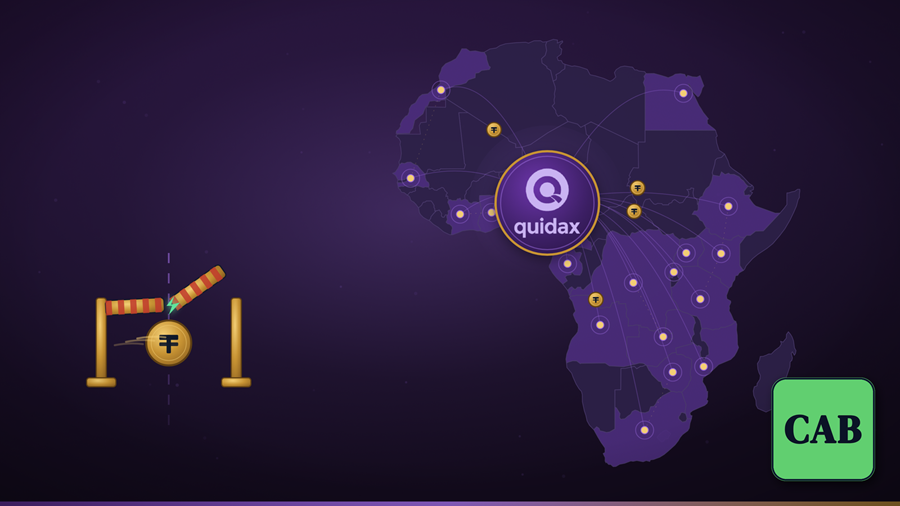
On 28 July2026, Quidax—the first digital asset exchange to earn a provisional license under Nigeria’s Securities and Exchange Commission (SEC) regulatory framework—officially announced the multi-corridor expansion of its stablecoin infrastructure across more than 21 countries and 14 currencies.
The expansion positions Quidax as a B2B cross-border settlement engine reportedly powering over 5,000 startups and enterprises across payments, remittance, gaming, and commercial banking. By eliminating European correspondent bank routing, the platform reduces cross-border settlement times from 7 days to under 48 hours, while compressing transaction costs below the 5% target established by the G20 and UN Sustainable Development Goals (SDGs).
| Pipeline Model | Transaction Fee | Settlement Latency | Intermediary Routing | End-to-End Flow |
| Legacy Correspondent Routing | 13% Fee | 7 Days | Correspondent Banks (Europe / North America) | Originating Market—Correspondent Bank—Destination Bank |
| Quidax Stablecoin Infrastructure | < 5% Fee | < 48 Hours | SEC-Provisionally Licensed Quidax Stablecoin API | Originating Enterprise—Quidax API—Destination Bank / Wallet |
Macro Analysis: Dissecting the “African Border Levy”
Sub-Saharan Africa loses an estimated $5 billion annually to cross-border payment friction, high transaction fees, and structural inefficiencies. Intra-African trade is historically penalized by legacy banking routes; for instance, a transaction initiated in Accra, Ghana destined for Durban, South Africa is typically routed through intermediate correspondent clearing banks in Europe or North America.
This multi-hop journey inflates transaction fees up to 13% of transaction value—more than double the global average of 6%—and introduces up to 7 days of settlement latency.
“Africa is home to the world’s fastest-growing economies, yet individuals and businesses pay an ‘African border levy’ every time they move money across the continent. Our compliance-first stablecoin infrastructure was created to remove that levy and bring us closer to a world with zero financial borders.” — Buchi Okoro, CEO and Co-Founder of Quidax
Comparative Performance Metrics
| Performance Metric | Traditional Correspondent Banking | Quidax Stablecoin Infrastructure | Industry Benchmark / Target |
| Settlement Time | 3 to 7 Business Days | Under 48 Hours | Near-Instant / Same-Day |
| Average Transaction Cost | Up to 13.0% | Below 5.0% | < 5.0% (G20 & UN SDG Target) |
| Intermediate Routing | European Correspondent Banks | Direct On-Chain Settlement | Zero Intermediaries |
| Regulatory Supervision | Fragmented Correspondent Network | Direct SEC Regulation | Statutory Compliance |
Geographic Scope & Asset Infrastructure
Quidax’s expanded infrastructure bridges high-volume intra-African commercial corridors directly with major international trading hubs:
| Network Category | Coverage & Supported Assets |
| African Markets | Nigeria, Ghana, Kenya, Tanzania, Rwanda, South Africa, Ethiopia, Cameroon, Côte d’Ivoire |
| Global Trade Hubs | United States, United Kingdom, Canada, China, United Arab Emirates, European Union Member States |
| Supported Digital Assets | USDT, XAUT, USAT, and leading stablecoins |
| Supported Fiat Currencies | 14 Currencies including NGN, GHS, XAF, XOF, USD, and regional fiat rails |
By supporting both fiat-backed stablecoins (such as USDT) and gold-backed digital assets (such as XAUT), Quidax provides commercial importers and corporate treasurers with asset-diversification options to mitigate local currency volatility.
Strategic Ecosystem Alliances: Tether & Chainalysis
A central differentiator in Quidax’s institutional rollout is its direct integration with primary global digital asset ecosystem leaders:
- Liquidity Depth (Tether Partnership): Partnering directly with Tether—the world’s largest stablecoin issuer—ensures deep USDT liquidity reserves. This prevents price slippage on high-value B2B foreign exchange orders and large commercial cross-border payouts.
- Institutional Compliance Stack (Chainalysis Partnership): By embedding Chainalysis software directly into its transaction monitoring engine, Quidax enforces automated Anti-Money Laundering (AML), Sanctions screening, and Know-Your-Transaction (KYT) protocol controls across all 21 jurisdictions.
- The Regulatory Edge: Operating under direct securities regulation via Nigeria’s SEC provisional license allows Quidax to offer institutional clients a safer and smarter way to hold and transfer digital assets.
Positioning in Africa’s Stablecoin Playbook: How It Compares
Quidax’s announcement highlights a strategic positioning within Africa’s digital asset economy. Below is a comparative positioning against other major players operating in the continent’s stablecoin ecosystem:
| Platform | Core Market Focus | Geographic Reach | Key Differentiator / Strategic Focus |
| Quidax | SEC-provisionally licensed exchange & pan-African settlement infrastructure | 21+ Countries & 14 Fiat Currencies | 5.000+ Enterprise clients; direct Tether & Chainalysis integration; G20-aligned cost targets |
| Busha Business | SEC-provisionally licensed corporate treasury & merchant payments | Nigeria, Kenya, and through strategic collaborations and broad network, United Kingdom and the United States | Concentrated B2B focus on enterprise USD savings yield and merchant checkout APIs |
| Yellow Card | Pan-African Treasury & B2B Crypto Liquidity | 35+ African Markets | Strong geographic footprint focusing on deep fiat-to-crypto offramps for global fintechs |
| Flutterwave | Traditional Merchant Payments & Embedded Crypto Rails | 30+ Global Markets | Integrates Polygon/USDC backend rails into standard merchant checkouts. |
Generally, while platforms like Yellow Card lead in raw geographic coverage (35+ markets) and Busha Business targets high-density corporate treasury yield in Nigeria and Kenya, Quidax is carving out a position as a regulated bridge linking African trade hubs directly to major global commerce markets (China, UAE, USA, UK).
Strategic Takeaways for Institutional Leaders
- For Commercial Banks & Payment Service Providers: Partnering with an SEC-licensed/approved stablecoin rail allows traditional banks to offer near-instant international transfers to enterprise clients without risking correspondent banking relationships.
- For Cross-Border Importers & Traders: Moving international trade settlements from traditional wire transfers to compliant stablecoin rails reduces payment processing costs from 13% down to under 5%, freeing up critical operating capital.
- For Regulators & Central Banks: Quidax’s compliance-first model demonstrates that statutory VASP licensing frameworks combined with chain analytics tools successfully bring dark-market P2P volume into formal, taxable, and law-enforcement-compliant channels.
Discover more from CAB
Subscribe to get the latest posts sent to your email.